Informative
A guide to orifice flow control chambers
Read more ›

7th January 2026Informative
Drainage systems play a crucial role in keeping our roads safe, protecting properties, and preventing localised flooding.
These systems contribute to smooth traffic flow and reduce the risk of water-related infrastructure damage by efficiently diverting rainwater away from streets and pavements.
Road gullies are at the heart of many urban drainage networks, serving as critical collection points for surface water.
However, one of the biggest challenges facing road gullies is silt accumulation. Sediment from construction sites, road traffic, and heavy rainfall can quickly build up, reducing the efficiency of gullies and increasing the risk of blockages.
In this blog post, we discuss how innovative silt management solutions from Gulliblok, which uses our proven Siltblok technology, protects road gullies from silt build-up.
As briefly mentioned above, road gullies are designed to collect surface water from streets, pavements, and other hard surfaces and channel it into the wider drainage network.
There are several types of road gullies, each suited to specific applications:
Gullies are typically constructed from durable materials such as concrete, cast iron, or high-quality plastic, ensuring they can withstand traffic loads, environmental conditions, and regular wear and tear.
The choice of material often depends on the location, expected water volume, and maintenance requirements.
While road gullies are effective at directing water away from surfaces, they are not foolproof. Silt, debris, and sediment can accumulate over time, reducing their efficiency and increasing the risk of blockages.
Common maintenance challenges include the need for regular cleaning, inspection, and repair, especially in areas with high traffic or nearby construction activity.
Silt is a fine, powdery material that can accumulate in road gullies over time, leading to various drainage issues.
It enters road gullies primarily through surface runoff. During rainfall, water flows over the ground, picking up silt and other materials along the way. This water then enters the gully, depositing its load. Over time, if not removed, this accumulation can reduce the gully’s capacity to handle water.
Understanding the sources of silt and its impact on drainage systems is crucial for effective management and maintenance.
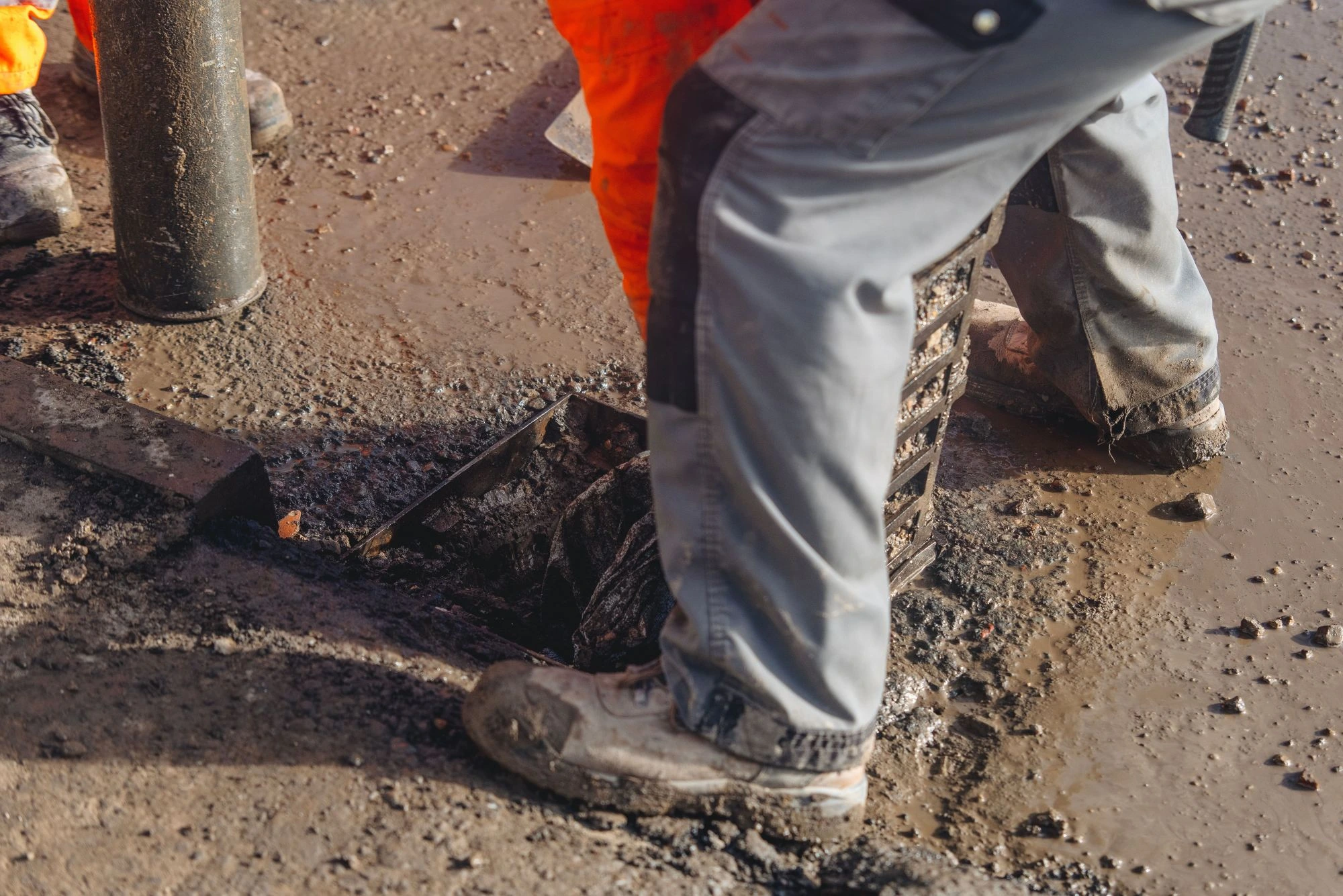
In Northumberland, UK, a report highlighted a roundabout where blocked gullies caused the road surface to be covered in silt and debris.
This situation led to multiple accidents, including one where an elderly woman slid off the carriageway. The accumulation of silt and debris was identified as a significant contributing factor to these incidents.
Silt traps are specialised devices designed to capture and remove Total Suspended Solids (TSS) from surface water before they enter road gullies. By intercepting silt, sediment, and other debris, they prevent these materials from accumulating in gullies, ensuring that urban drainage systems remain efficient and effective.
There are several types of silt traps, each suited to specific applications:
The suitability of each type depends on the volume of water, the amount of sediment expected, and the location. Construction sites, for example, benefit from robust filter-based systems that can handle high silt loads, while urban streets may use chambered traps or sediment baskets for ongoing protection.
Silt traps provide several key benefits for maintenance and infrastructure:
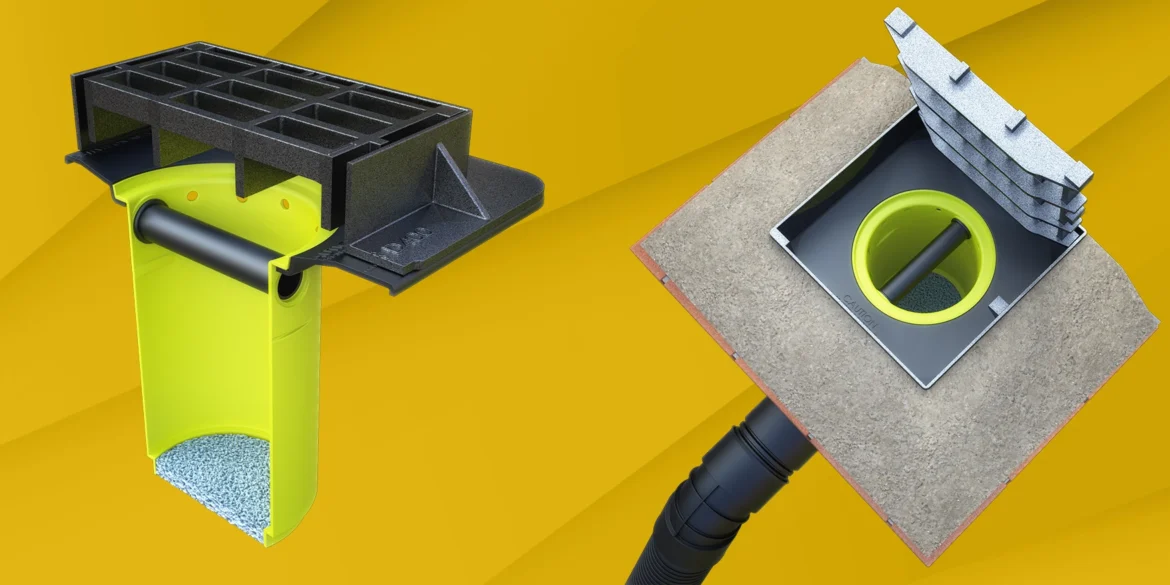
Gulliblok’s Gully Protection System is an innovative silt management system designed to filter out Total Suspended Solids (TSS) before they enter road gullies, helping to keep urban drainage systems clear and efficient.
This robust gully insert captures fine silt and debris while allowing water to flow freely. It is highly efficient, durable, and weather-resistant, ensuring reliable performance even in heavy rainfall or harsh conditions.
It is also easy to install, remove, and clean, making it a practical choice for both temporary and permanent applications.
While Siltblok chambers are used to manage sediment at later stages of the drainage process, this product provides the first line of defence by protecting the road gully itself.
Common applications of the Gully Protection System include:
Proper installation and regular maintenance are key to maximising the effectiveness of Gulliblok in protecting road gullies from silt.
By following best practices, councils, contractors, and site managers can reduce blockages, lower maintenance costs, and ensure that drainage systems continue to operate efficiently.
Investing in silt management not only protects the environment but also delivers long-term economic benefits for councils, contractors, and site managers. Here’s how:
As mentioned earlier in the blog post, filtering silt before it enters road gullies has significant environmental advantages. By capturing sediment and debris, Gulliblok prevent pollutants from being washed into local waterways.
This helps maintain water quality, protects aquatic habitats, and reduces the risk of downstream silting and ecosystem disruption.
In urban areas, where surface runoff can carry oils, heavy metals, and fine sediments, effective silt management plays a crucial role in protecting the environment.
They are also designed to be durable, easy to clean, and reusable, reducing waste compared with temporary or disposable alternatives.
Their longevity and low environmental impact make them a sustainable solution for urban drainage, helping organisations meet environmental regulations and contribute to greener, more resilient infrastructure.
From an economic perspective, preventative measures such as installing silt traps are far more cost-effective than reactive maintenance. Cleaning blocked gullies or repairing drainage systems after silt-related damage can be expensive, labour-intensive, and disruptive.
In contrast, using reusable and durable silt traps reduces the frequency of maintenance visits, extends the lifespan of drainage infrastructure, and lowers overall operational costs. For councils and site managers, this represents a long-term saving while maintaining reliable drainage performance.
At Turtle Enviro, we understand that protecting road gullies from silt is not just about supplying products, it’s about providing complete, practical solutions tailored to your site’s needs.
Our innovative range of silt management products are designed to capture silt and debris before it reaches the gully, keeping drainage systems clear, efficient, and long-lasting.
Our drainage specialists can assess your project requirements, review drawings, and recommend the most suitable products for both temporary construction sites and long-term infrastructure protection.
By choosing Turtle Enviro, you benefit from durable, reusable solutions that reduce maintenance, lower costs, and support sustainable urban drainage. Our Blok products are fully compliant with current Design and Construction Guidance (DCG) for adoptable standards, making them a reliable choice for engineers and developers nationwide.
Whether you’re managing a busy urban street, a construction site, or a commercial development, we offer solutions that make protecting gullies from silt simple, effective, and sustainable.
Contact us today for more information or to discuss how we can help protect your gullies from silt.